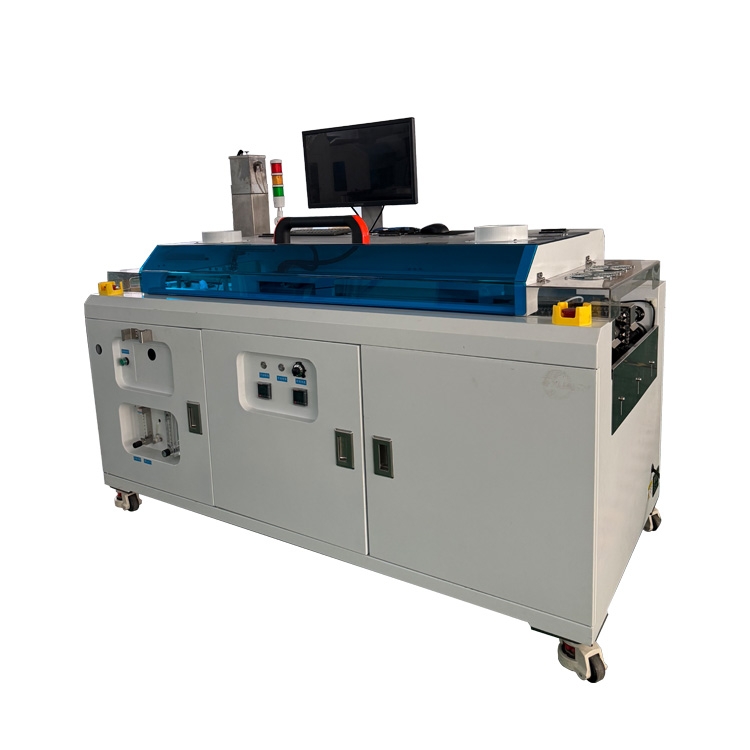
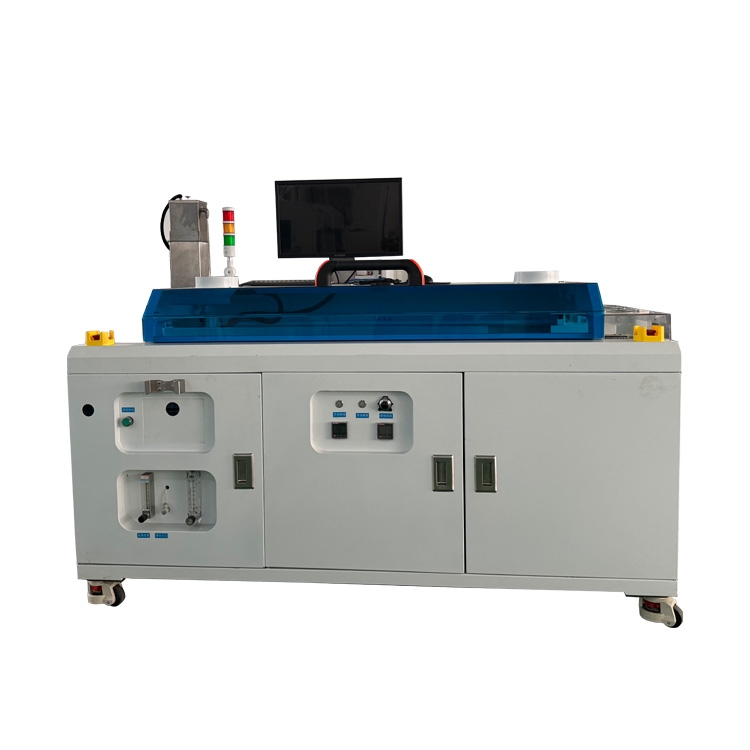
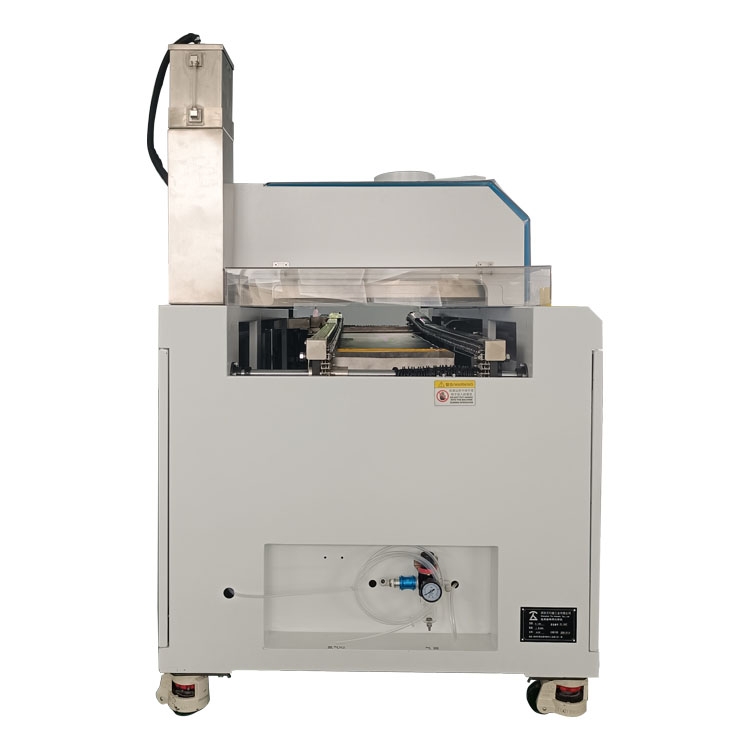
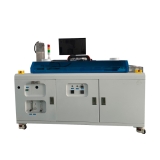
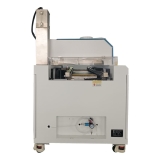
Compact wave soldering machines are cost-effective equipment designed for small-to-medium batch electronic assembly, laboratory R&D, or production line touch-up soldering scenarios. Their core advantages center on three key dimensions: small footprint, low cost, and high flexibility, detailed as follows:
High Space Utilization, Suitable for Multi-scenario Layouts
Compact wave soldering machines typically feature a body length of 1.5–2.5 meters, significantly shorter than large fully automatic wave soldering machines (3–5 meters). They do not require dedicated large-scale production line areas and can be directly placed on laboratory workbenches, in the corners of small workshops, or even integrated with manual/semi-automatic SMT equipment to form micro production lines. They are particularly ideal for start-up electronics factories, research institutions, or university training bases.
Low Procurement & Operation Costs, Outstanding Cost-effectiveness
Procurement CostThe price of compact wave soldering machines is usually only 1/3–1/5 that of large fully automatic equipment, lowering the entry barrier for small and medium-sized customers.
Energy & Consumable ConsumptionWith a small-capacity solder pot, they boast fast heating speed and low standby power consumption. Flux usage and nitrogen protection consumption (for nitrogen-equipped models) are far lower than those of large-scale equipment, leading to substantial long-term savings on consumable costs.
Easy MaintenanceFeaturing a relatively simplified structure without complex transmission chains or automated control systems, daily cleaning and replacement of wearing parts (e.g., wave nozzles, conveyor belts) do not require professional technicians, resulting in lower maintenance costs.
Flexible Operation, Adapted for Multi-variety, Small-batch Production
Most compact wave soldering machines support semi-automatic/manual mode switching and can quickly accommodate PCBs of different sizes (typically compatible with board widths of 50–300mm) via fixture replacement. With short changeover times (generally 10–20 minutes), they can meet the production needs of multi-variety, small-batch manufacturing, solving the pain point of large wave soldering machines—low changeover efficiency and suitability only for mass production of single-product lines.
Reliable Welding Precision & Stable Processes
Despite their compact size, core welding functions remain uncompromised. Equipped with a single-wave/double-wave (optional) design, these machines are suitable for through-hole component soldering. Some models support precise temperature control (±1℃) and flux spray volume adjustment, meeting the soldering standards of conventional products such as consumer electronics, small home appliances, and industrial control boards. They deliver consistent solder joint quality with low rates of cold soldering and bridging defects.
Translation Notes
Terminology Standardization
小型波峰焊 → Compact wave soldering machine (industry-preferred term; "compact" highlights space-saving features better than "small")
产线补焊 → touch-up soldering (standard technical term for rework soldering in production lines)
换线时间 → changeover time (professional expression for the time required to switch production between different products)
虚焊、连焊 → cold soldering, bridging defects (universally recognized defect terms in SMT manufacturing)
插件元件 → through-hole components (distinguishes from surface-mount components, conforming to industry classification)
Sentence Structure Optimization
Restructured Chinese topic-prominent sentences into English subject-prominent structures to align with English technical writing logic (e.g., splitting long descriptive clauses into bullet points for readability).
Used passive voice appropriately for process descriptions (e.g., "are directly placed", "are suitable for") to emphasize objectivity.
Converted the three core advantages into a bolded list at the beginning to highlight key selling points, meeting the reading habits of overseas buyers.
Contextual Adaptation
Translated "院校实训基地" as university training bases (more precise for overseas academic institutions than literal translations like "college training centers").
Expanded "性价比突出" into outstanding cost-effectiveness (a high-frequency phrase in international industrial equipment marketing).
Clarified "工艺稳定" as stable processes (emphasizes process consistency rather than literal "stable technology").
Format Specification
Retained metric units (meters, mm, ℃) in line with international electronics manufacturing standards.
Used bolding for core advantages and section headings to enhance readability, suitable for product brochures and official website technical specifications.




 ChatNow